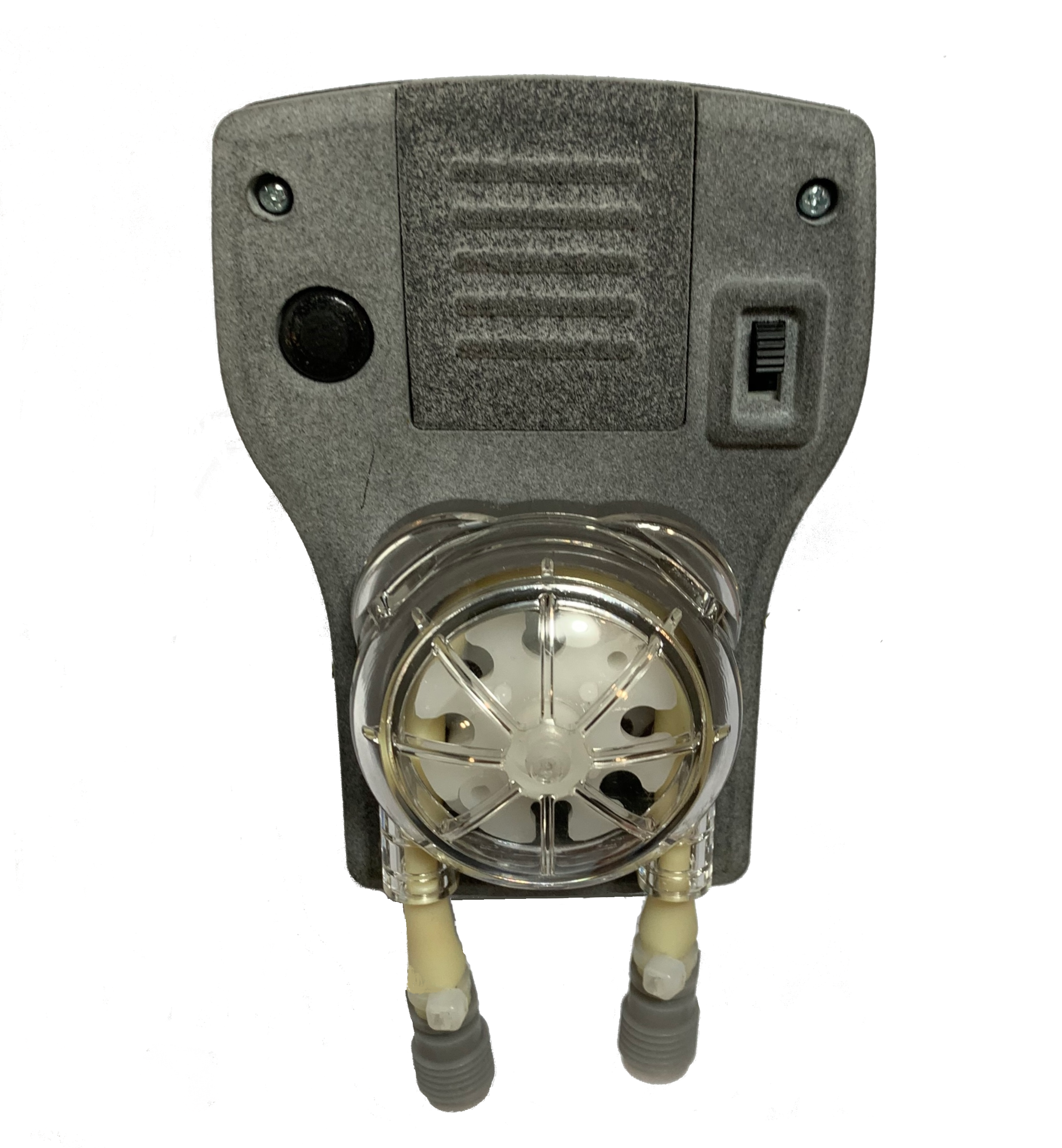
The Human-to-Human Blood Transfusion Pump
This device will change the way wounded soldiers receive blood transfusions
v Provides faster response time for resuscitation of wounded soldiers.
v Reduces reliance on blood components that may not be in the right place at the right time.
v Delivers fresh whole blood to patient without deleterious effects of anti-coagulants.
v Utilizes a “walking blood bank.”
v Delivers precise blood volume from donor to patient at correct reinfusion rates.
v Simple, fast, and easy to use.
v This device will save lives.
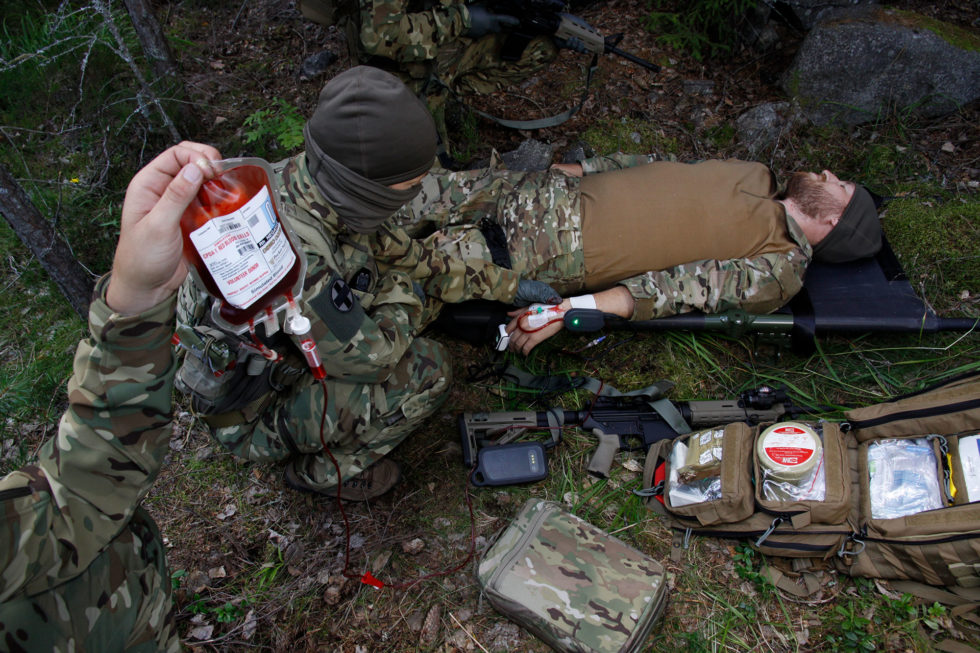
“Resuscitation needs to begin within 36 minutes after an injury to improve outcomes, which is really hard to do. Right now, corpsmen carry blood bags that are preloaded with anticoagulant. When someone is injured, they must find a donor and fill a bag, which takes time, then hang the bag and let it drain into the patient, which takes more time, and the patient gets dosed with an anticoagulant while they’re in hemorrhagic shock, which isn’t good and has to be corrected by giving calcium replacement.” Dr. John Wagner, Navy Physician
16% of Severely Injured Soldiers Requiring a Transfusion Die
Coagulopathy (the inability for blood to clot) develops in 44% of all seriously injured patients and accounts for most deaths that occur in the first 24 hours of admission after trauma. To combat coagulopathy, partially caused by the anti-coagulant, medical personnel must inject the patient with calcium or tranexamic acid and infuse the wounded soldier with blood components, fresh frozen plasma, packed red blood cells, and platelets in a 1:1:1 ratio. The combination of these blood components means the patient is virtually receiving “reconstituted whole blood.”
Why go through the process of repairing the damage caused by anti-coagulants with blood components instead of transfusing fresh whole blood? Transfusing whole blood saves time and can save lives.
Human to Human Transfusions from a Walking Blood Bank
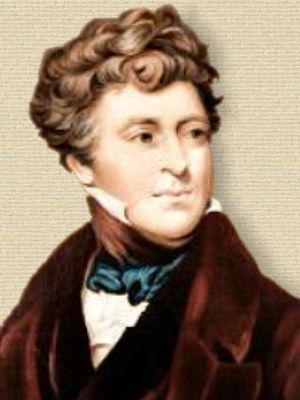
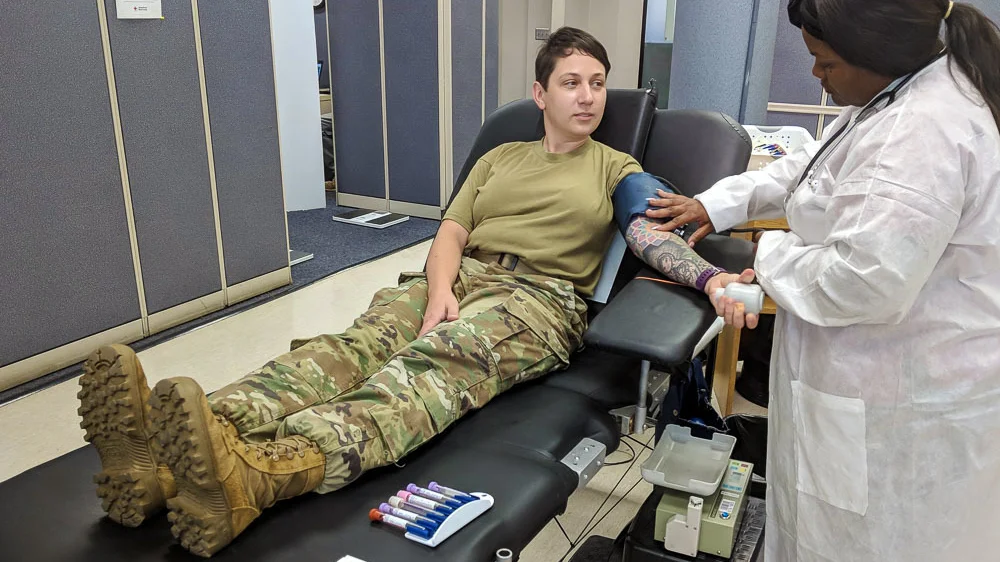
The British obstetrician, James Blundell, performed the first human-to-human blood transfusion, in 1818. Even though Human to Human transfusion is not a new concept, it’s not the accepted practice today, but medical practitioners are starting to change their thinking.
The clinical data comparing Whole blood (WB) to blood components has recently been reviewed. Currently available clinical data indicate that use of WB to treat hemorrhage results in outcomes that are at least as favorable as those that can be expected with component therapy that includes RBCs, plasma, and platelets.
Due to difficulties related to packaging and thawing of the plasma in combat zones, delays can happen in being able to quickly administer a sufficient quantity of blood to trauma patients.
The severe loss of blood and the inability to replenish it in a timely manner can create new problems for patients that may be life threatening.
A device that enables Human to Human transfusions for emergency situations that safely and accurately transfers whole blood from a donor to a wounded soldier will save lives.
How Does Our Device Work?

The blood transfusion meter consists of a removable peristaltic pump head, the meter enclosure and a handle/ball grip assembly. The pump is manually operated by turning the detachable handle and ball grip. The ball grip is large enough to grasp comfortably even while wearing gloves.
The meter enclosure electronically monitors and displays the volume of blood pumped through the device and the pump speed. We have designed the peristaltic pump and pump tube to match the volume of blood for safe reinfusion at a specific rotational speed.
The hand pump design allows for operation in the field with no motor or heavy battery that requires charging. A standard low cost, long-lasting thin film battery (CR2032) powers the electronic display and microprocessor.
As blood is pumped through the device, the meter displays the volume of blood transfused. The display also indicates the crank speed, prompting the operator to turn the crank at the correct speed. Steady turning of the handle at the correct rate safely regulates the flow of blood, to protect the donor and patient.
Because the blood is being pumped and metered through the device, users do not need to depend on
gravity for reinfusion. This means transfusions can occur in sub-optimal conditions where you don’t have the luxury of hanging a bag.
If multiple units of blood are required, the pump head can be removed from the metering enclosure and a new pump head, already connected to the next donor, primed with blood, is snapped on the
enclosure for rapid switching from one donor to the next.